
AI in Education: How Artificial Intelligence Is Transforming Learning in 2026
Discover how Artificial Intelligence is transforming education in 2026. Learn about personalized learning, AI-powered classrooms, benefits, challenges, and the future of smart education.
ARTIFICIAL INTELLIGENCE
ScivoraHub Editorial Team
4 min read
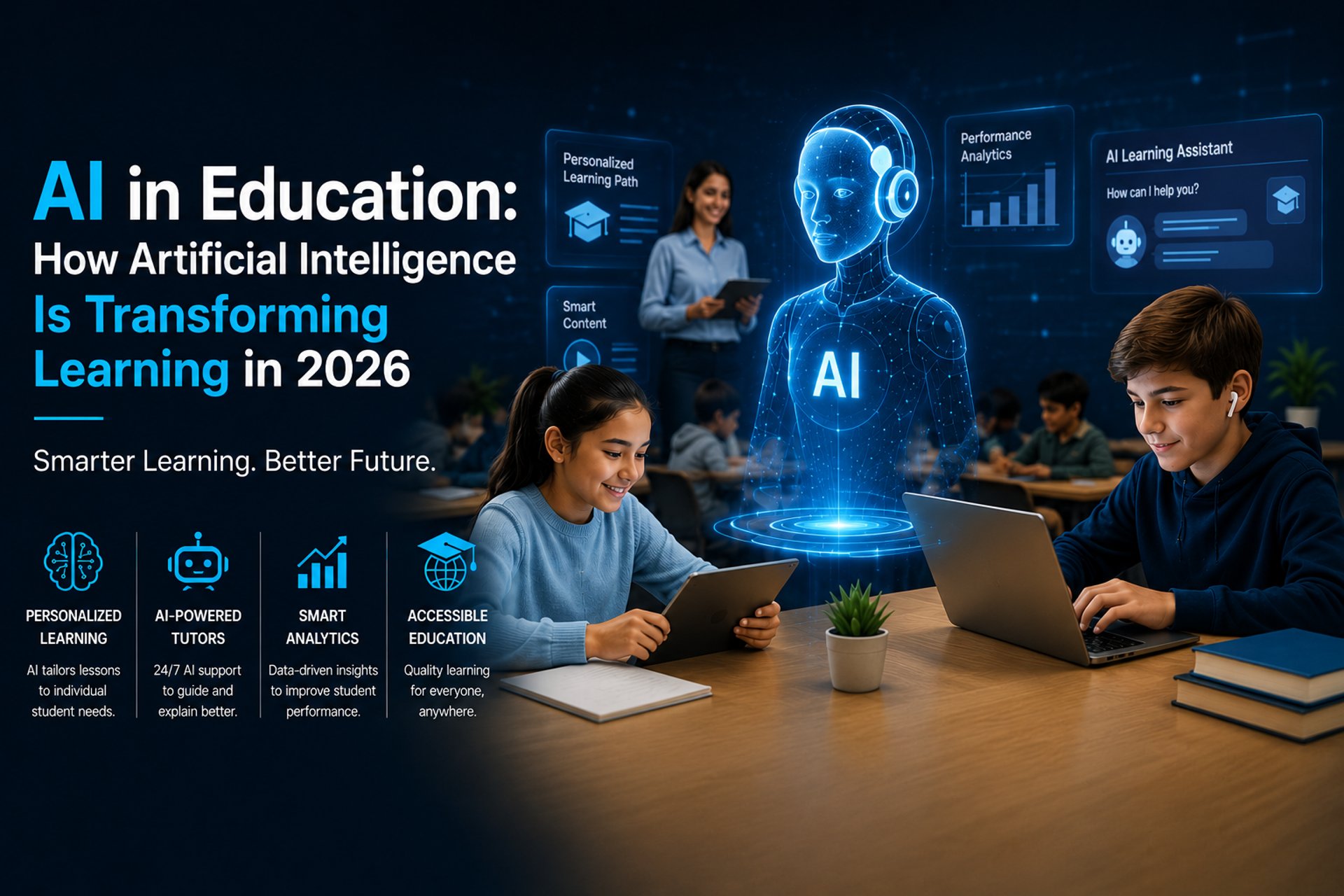
AI in Education: How Artificial Intelligence Is Transforming Learning in 2026
Artificial Intelligence (AI) is no longer a futuristic concept—it is now transforming classrooms, universities, and online learning platforms around the world. In 2026, AI has become one of the most influential technologies in education, helping students learn more effectively while allowing teachers to deliver personalized instruction with greater efficiency.
Education has always evolved with technology. From printed books to digital classrooms, every innovation has changed how knowledge is shared. Today, AI represents the next major step by providing intelligent systems that can analyze learning patterns, adapt educational content, and offer instant support whenever students need it.
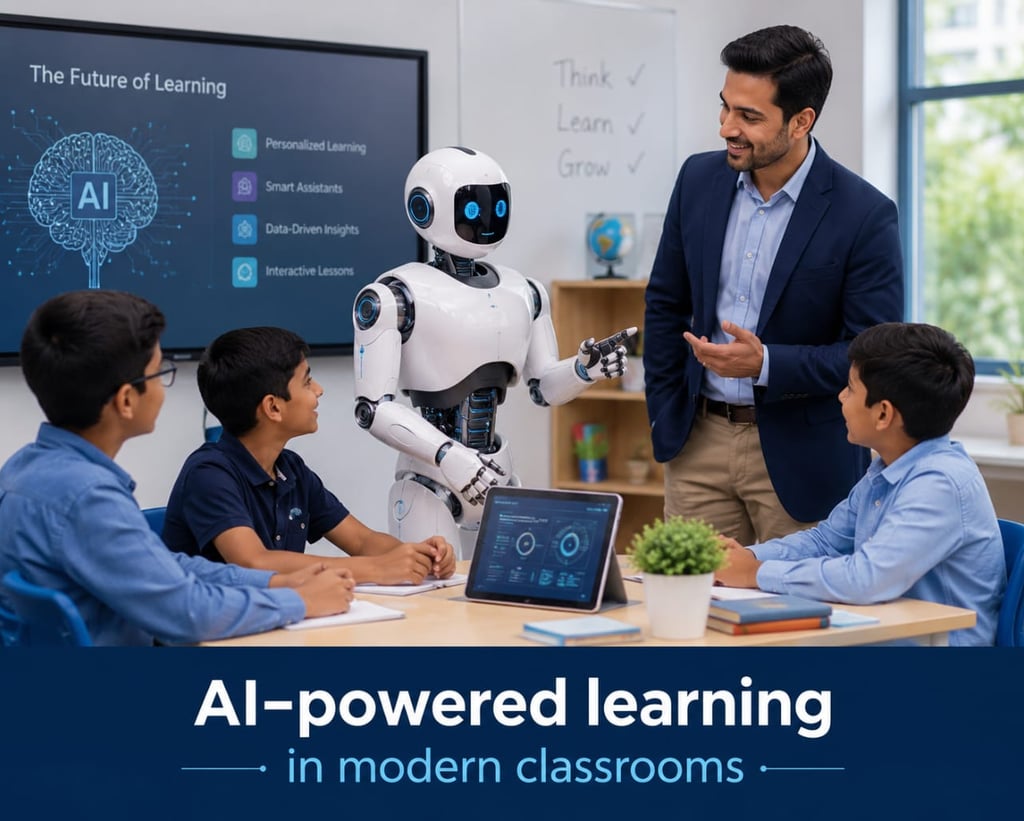
Instead of replacing teachers, AI is designed to enhance education by reducing repetitive tasks, improving learning experiences, and making quality education accessible to more people worldwide.
What Is AI in Education?
Artificial Intelligence in education refers to computer systems that can simulate human intelligence to improve teaching and learning. These systems analyze student performance, recommend personalized learning materials, automate administrative work, and provide real-time assistance through intelligent virtual tutors.
Unlike traditional educational software, AI learns from user interactions. This means it becomes more accurate and helpful over time, creating a personalized experience for every learner.
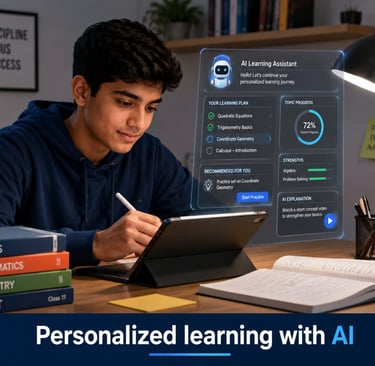
For example, if a student struggles with mathematics, an AI-powered platform can recommend additional exercises, explain difficult concepts differently, and monitor progress until improvement is achieved.
Why AI Is Becoming Essential in Modern Education?
Modern education faces several challenges, including increasing student numbers, limited teaching resources, and the need for personalized instruction. AI helps solve many of these problems by offering scalable, data-driven solutions.
Some of the biggest reasons educational institutions are adopting AI include:
Personalized learning experiences
Faster assessment and feedback
Improved student engagement
Better learning analytics
Reduced administrative workload
Greater accessibility for remote learners
As internet access and digital learning continue to expand, AI is becoming a valuable tool for schools, universities, and online education providers.
Benefits of AI for Students
Artificial Intelligence is transforming the way students learn by creating more personalized, engaging, and flexible learning experiences. Instead of following the same learning path, AI allows every student to study according to their own pace and abilities.
1. Personalized Learning Experience
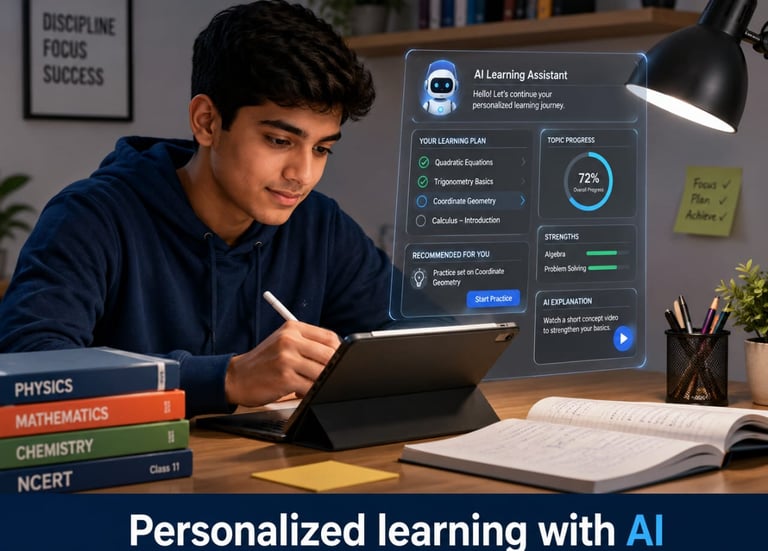
Every student has different strengths and weaknesses. AI-powered learning platforms analyze performance and recommend lessons based on individual progress. This personalized approach helps students understand concepts more effectively and improves long-term learning outcomes.
2. Instant Feedback
Traditional learning often requires students to wait for teachers to check assignments. AI provides instant feedback on quizzes, writing tasks, and problem-solving exercises, helping learners identify mistakes immediately.
3. Learning Anytime, Anywhere
AI-powered virtual tutors and educational assistants are available 24/7. Students can study from home, ask questions at any time, and receive immediate explanations without waiting for classroom hours.
4. Better Study Planning
AI can organize study schedules, recommend revision plans, and remind students about deadlines, making time management much easier.
Benefits of AI for Teachers
AI is not designed to replace teachers. Instead, it acts as an intelligent assistant that helps educators save time and improve classroom efficiency.
1. Automated Grading
AI can evaluate quizzes and objective assignments within seconds, allowing teachers to spend more time on teaching rather than paperwork.
2. Smart Lesson Planning
Modern AI tools help teachers prepare lesson plans, presentations, worksheets, and classroom activities more efficiently.
3. Student Performance Analysis
AI analyzes classroom performance and identifies students who may require additional support before academic problems become serious.
4. Improved Classroom Engagement
Interactive AI tools make lessons more interesting through quizzes, simulations, educational games, and personalized activities.
Popular AI Tools Used in Education
Several AI-powered tools are already transforming education across the world.
ChatGPT
Helps students understand complex concepts, improve writing skills, generate ideas, and solve academic problems.
Google Gemini
Provides research assistance, summarization, brainstorming, and educational support.
Microsoft Copilot
Improves productivity by assisting with presentations, reports, spreadsheets, and educational content creation.
Grammarly
Enhances grammar, spelling, vocabulary, clarity, and overall writing quality.
Khanmigo
An AI tutor developed to provide personalized educational guidance for students.
Duolingo Max
Uses AI to improve language learning through realistic conversations and personalized exercises.
Real-World Applications of AI in Education
.Educational institutions around the world are already using AI in practical ways.
.Smart classrooms with AI-assisted teaching
.Automated attendance systems
.Intelligent tutoring systems
.Personalized online courses
.AI-powered examination analysis
.Learning analytics dashboards
.Accessibility tools for students with disabilities
These innovations are making education more efficient, inclusive, and data-driven.
Challenges of AI in Education
Although AI provides significant advantages, responsible implementation is essential.
Data Privacy
Educational institutions must protect student information and ensure responsible handling of personal data.
Overdependence on AI
Students should use AI as a learning assistant rather than relying on it to complete every assignment independently.
Digital Divide
Not every student has access to high-speed internet or modern digital devices. Equal access remains an important challenge.
Ethical Concerns
Educational organizations should establish clear guidelines for responsible AI usage while promoting critical thinking and academic honesty.
The Future of AI in Education
The future of education will become increasingly personalized, intelligent, and technology-driven.
Future classrooms are expected to include:
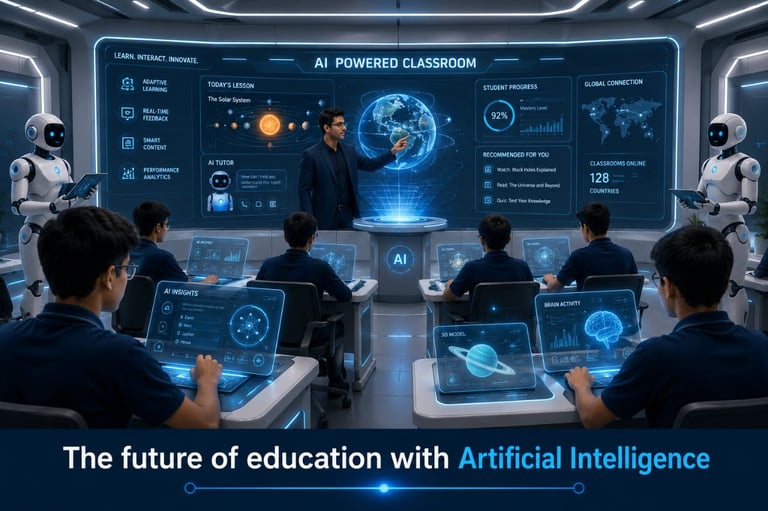
.AI-powered virtual tutors
.Immersive virtual reality learning
.Smart assessments
.Personalized career guidance
.Adaptive learning systems
.Intelligent educational assistants
Rather than replacing teachers, AI will strengthen their ability to provide higher-quality education while allowing students to develop skills needed for future careers.
Frequently Asked Questions
Is AI replacing teachers?
No. AI supports teachers by automating repetitive tasks while teachers continue providing guidance, mentorship, and human interaction.
Is AI good for students?
Yes. When used responsibly, AI improves learning efficiency, personalization, and access to educational resources.
Which AI tool is best for learning?
Popular educational AI tools include ChatGPT, Google Gemini, Microsoft Copilot, Grammarly, Khanmigo, and Duolingo Max. The best choice depends on the learner's goals.
Can AI improve online education?
Yes. AI enhances online learning through personalized recommendations, instant feedback, virtual tutoring, and adaptive learning experiences.
How can I contact you?
You can reach us by [scivorahub@gmail.com] We are always happy to answer your questions.
Conclusion
Artificial Intelligence is reshaping education by making learning smarter, faster, and more personalized. Students benefit from customized learning experiences, while teachers gain powerful tools that improve classroom efficiency and educational outcomes.
As AI continues to evolve, its role in education will expand even further. However, success depends on using AI responsibly while maintaining critical thinking, creativity, and meaningful human interaction. When combined with excellent teaching, AI has the potential to create a more inclusive, engaging, and effective education system for learners across the world.
Scivora Hub
Empowering global education through Artificial Intelligence, innovation, and trusted educational insights
Disclamer | Privacy | Policy | Terms & Conditions | Articles | About us | Contact
© 2026 Scivora Hub. All Rights Reserved..
AI • Education • Innovation • Global LearningS