Welcome To ScivoraHub Educational Plateform
The Future of Education with Artificial Intelligence | Scivora Hub
Discover how Artificial Intelligence is transforming education through personalized learning, smart classrooms, AI tutors, automated grading, and future-ready learning.
AI IN EDUCATION
ScivoraHub Editorial Team
7/9/20266 min read
The Future of Education with Artificial Intelligence
Introduction
Artificial Intelligence (AI) is no longer a futuristic concept—it is already transforming classrooms, universities, and online learning platforms around the world. From personalized learning experiences to intelligent tutoring systems, AI is helping educators improve teaching methods while enabling students to learn more effectively.
According to global education trends, AI-powered technologies are making learning more accessible, engaging, and data-driven than ever before. Whether you're a student, teacher, parent, or education professional, understanding the impact of AI is essential in today's rapidly evolving digital world.
In this guide, you'll discover how Artificial Intelligence is changing education, explore its key benefits and challenges, and learn what the future of AI-powered learning could look like.
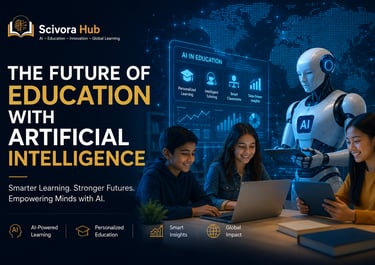
What Is Artificial Intelligence in Education?
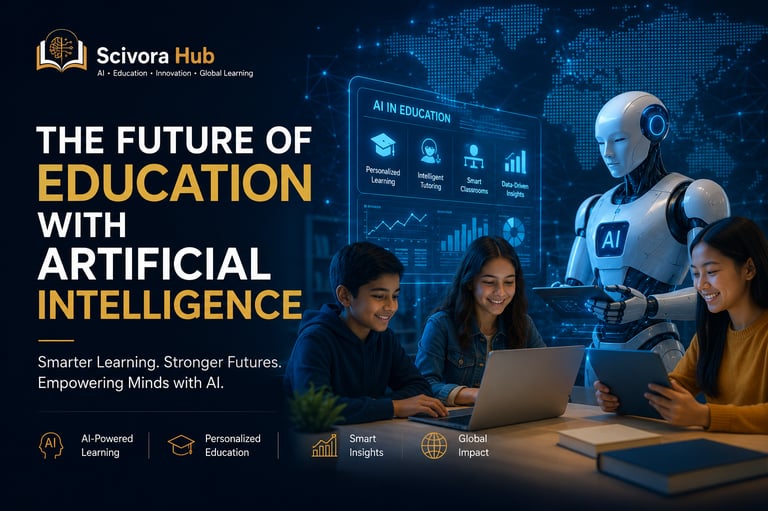
Artificial Intelligence (AI) in education refers to the use of advanced technologies that help improve teaching, learning, and educational management. Instead of offering the same learning experience to every student, AI analyzes individual performance, learning habits, and progress to provide personalized support.
AI-powered educational tools can recommend study materials, answer students' questions instantly, automate grading, and help teachers identify learning gaps. These technologies make education more efficient while allowing educators to focus on mentoring, creativity, and critical thinking.
Today, AI is being integrated into schools, universities, and online learning platforms across the world. From virtual tutors and intelligent chatbots to adaptive learning systems and predictive analytics, AI is reshaping the way knowledge is delivered and experienced.
As AI continues to evolve, it is becoming an essential part of modern education by creating smarter, more inclusive, and data-driven learning environments.
Internal Transition
The growing adoption of AI in education has introduced several advantages for both students and educators. Let's explore the most significant benefits in the next section
Benefits of Artificial Intelligence in Education
Artificial Intelligence is transforming education by making learning more personalized, efficient, and accessible. From intelligent tutoring systems to automated administrative tasks, AI is helping educational institutions create better learning experiences for students while supporting teachers with powerful digital tools.
Below are some of the most significant benefits of AI in modern education.
Personalized Learning
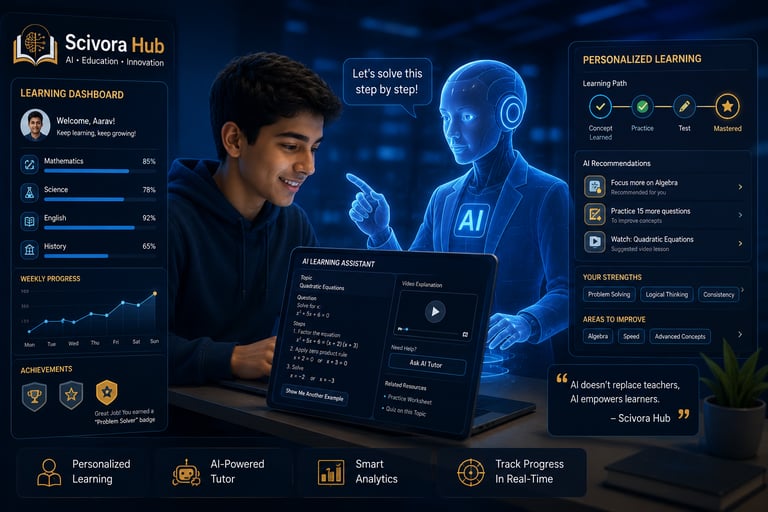
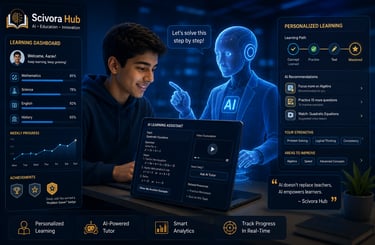
One of the biggest advantages of Artificial Intelligence is its ability to create personalized learning experiences. Every student learns differently, and AI-powered platforms analyze individual strengths, weaknesses, and learning pace to recommend customized lessons and activities.
Instead of following a one-size-fits-all approach, students receive learning materials that match their needs, helping them understand concepts more effectively and stay motivated throughout their educational journey.
AI Tutors and Virtual Learning Assistants
AI-powered tutors provide instant support whenever students need help. These intelligent assistants answer questions, explain complex topics, recommend additional resources, and guide learners step by step.
Unlike traditional classroom support, AI tutors are available 24 hours a day, allowing students to learn at their own pace regardless of time or location.
Smart Classrooms
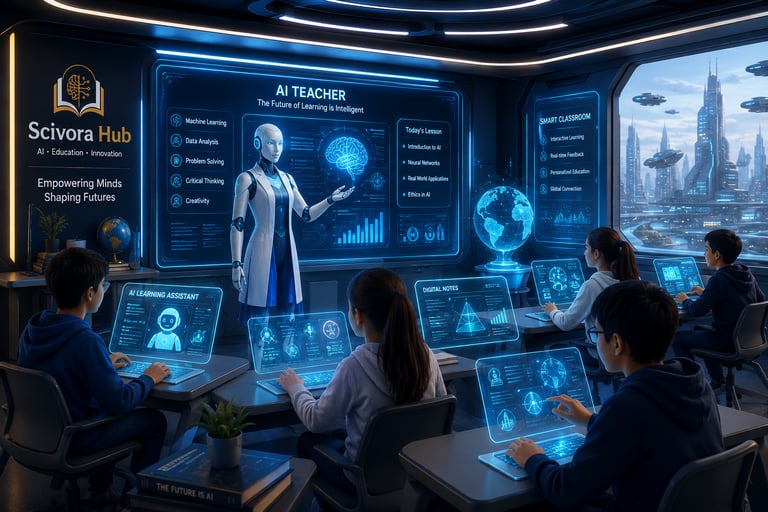
Modern classrooms are becoming smarter with the integration of Artificial Intelligence. Interactive whiteboards, intelligent learning platforms, facial recognition attendance systems, and real-time performance tracking help teachers create more engaging and productive learning environments.
Smart classrooms also improve collaboration by enabling students to interact with digital content through advanced educational technologies.
Automated Assessment and Instant Feedback
AI can automatically evaluate quizzes, assignments, and practice tests within seconds. Students receive immediate feedback, allowing them to identify mistakes and improve their understanding without waiting for manual grading.
Teachers also save valuable time that can be spent on lesson planning and student engagement rather than repetitive administrative tasks.
Data-Driven Learning Insights
Artificial Intelligence collects learning data to identify trends, monitor student progress, and detect learning gaps. These insights help educators make informed decisions and provide timely support to students who need additional guidance.
Educational institutions can also use this data to improve curriculum design and enhance overall learning outcomes.
Transition
While Artificial Intelligence offers remarkable opportunities for education, it also introduces important challenges that schools, universities, and technology providers must address responsibly
Challenges of Artificial Intelligence in Education
While Artificial Intelligence offers countless opportunities for innovation, it also presents important challenges that educators, institutions, and policymakers must address. Responsible AI adoption requires balancing technological advancement with ethics, privacy, and equal access to quality education.
Data Privacy and Security
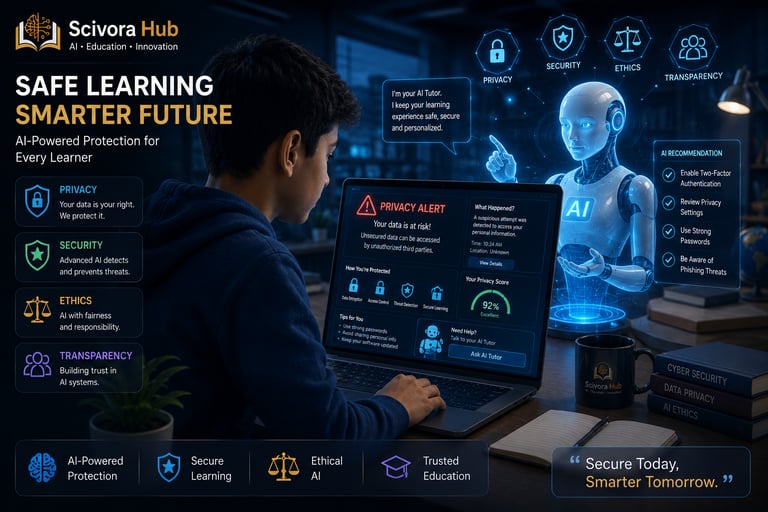
Educational institutions collect large amounts of student data, including academic performance, learning behavior, and personal information. Protecting this data from cyber threats and unauthorized access is essential.
Schools and technology providers must implement strong cybersecurity measures, encryption, and transparent data policies to ensure students' privacy is protected.
Digital Divide
Not all students have access to high-speed internet, modern devices, or AI-powered learning platforms. This digital divide can create unequal educational opportunities, particularly in developing regions.
Governments, educational institutions, and technology companies must work together to make digital learning more accessible for everyone.
Ethical Use of Artificial Intelligence
AI systems should be designed to be transparent, fair, and free from bias. Educational decisions should never rely entirely on automated systems without human oversight.
Teachers and educational leaders remain essential in ensuring that AI supports learning rather than replacing human judgment.
Teacher Training and AI Literacy
The successful integration of AI depends on well-trained educators. Teachers need ongoing professional development to understand AI tools, interpret learning data, and use technology effectively in the classroom.
Investing in AI literacy helps schools maximize the benefits of Artificial Intelligence while maintaining high educational standards.
Transition
Despite these challenges, the future of Artificial Intelligence in education remains incredibly promising. As technology continues to evolve, AI will play an even greater role in creating personalized, inclusive, and globally connected learning experiences.
The Future of AI in Education
The future of education with Artificial Intelligence is expected to be more personalized, interactive, and globally connected. AI-powered systems will continue to evolve, offering students customized learning experiences that adapt to their individual needs, abilities, and goals.
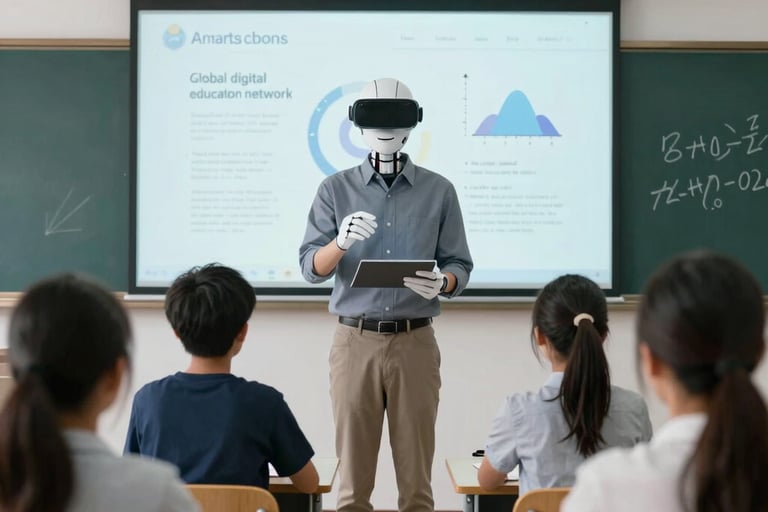
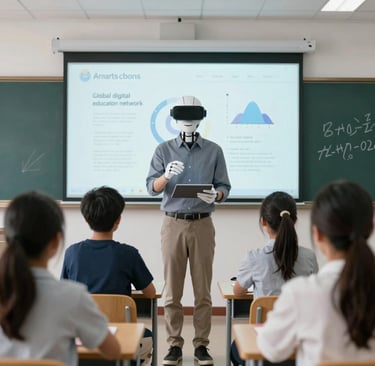
In the coming years, we can expect AI to support advanced virtual classrooms, immersive AR/VR learning, intelligent career guidance, and real-time language translation for international learners. These innovations will make education more accessible and engaging for students across different countries and backgrounds.
Rather than replacing teachers, AI will become a powerful tool that helps educators provide better support, identify learning gaps earlier, and create more effective teaching strategies. Human creativity, empathy, and mentorship will remain essential, while AI handles data analysis and repetitive administrative tasks.
Conclusion
Artificial Intelligence is transforming education by making learning more personalized, efficient, and accessible. From AI tutors and smart classrooms to automated assessments and data-driven insights, these technologies are helping students and educators achieve better learning outcomes.
However, the successful adoption of AI in education requires careful attention to privacy, ethics, teacher training, and equal access to technology. By addressing these challenges responsibly, educational institutions can harness the full potential of AI while maintaining the human-centered values that make education meaningful.
As the future of education continues to evolve, Artificial Intelligence will play a crucial role in preparing students for a rapidly changing digital world.
Read Next
Interested in learning more about AI in education? Explore our related article on AI in Education: How Artificial Intelligence Is Transforming Learning in 2026 into how technology is reshaping the future of learning.
Empowering global education through Artificial Intelligence, innovation, and trusted educational insights
Disclamer | Privacy | Policy | Terms & Conditions | Articles | About us | Contact
© 2026 Scivora Hub. All Rights Reserved..
AI • Education • Innovation • Global LearningS