

Introdiction
Walk into any dry fruit shop in Lahore, Karachi or Delhi and you will be greeted by rows of bowls and jars: golden raisins, plump dates, crunchy almonds, green pistachios and a dozen other things you may or may not know the name of. If you have ever stood there wondering what is what, you are not alone.
So, what are the most common dry fruits names? The popular ones are almonds (badam), walnuts (akhrot), cashews (kaju), pistachios (pista), raisins (kishmish), dates (khajoor), dried figs (anjeer) and dried apricots (khubani).
Pine nuts (chilgoza), prunes (aloo bukhara), makhana and melon seeds (magaz) often join the list too.
Dry fruits have been part of our kitchens for generations. We add them to kheer and halwa, gift them at weddings and Eid, eat dates to open our fast in Ramadan, and snack on chilgoza and walnuts when winter sets in.
Yet most of us never learn what exactly separates a nut from a dried fruit, or why shopkeepers use so many different names for the same thing.
That is what this guide is for. Below you will find a complete list of dry fruits names in English, Urdu and Hindi, with a short introduction to each one: how it tastes, what it offers, and how to use it. Later we will also cover the health benefits, daily portions, buying tips and storage, so you can enjoy dry fruits with confidence.
Let’s start with the basics.
What Are Dry Fruits?
Dry fruits is one of those phrases everyone uses and few people define. In everyday South Asian speech, it simply means the long-lasting, snack-sized foods we buy by weight from a dry fruit shop: nuts, dried fruits and a few edible seeds.
What they share is very little moisture, which is why they keep for months and why a small handful carries so much energy.
The confusing part is that the same shop sells things that are quite different from each other. A walnut and a raisin are both “dry fruits,” but one is a tree nut and the other is a grape that has been dried. Let’s clear this up.
Dry Fruits vs Nuts: What’s the Difference?
Nuts are the edible kernels of trees or plants, usually protected by a hard shell. Almonds, walnuts, cashews, pistachios and hazelnuts all fit here. They are naturally dry, and rich in healthy fats, protein and fiber.
Dry fruits is the bigger, everyday umbrella. It covers nuts, but it also covers fruits that were originally juicy and then dried, like dates, figs and apricots.
An easy way to remember it: all nuts are usually called dry fruits, but not all dry fruits are nuts. If someone asks for “dry fruits” at a shop, they might mean a mixed box of both.
Dried Fruits vs Dry Fruits vs Seeds (Common Confusion)
These three terms get mixed up constantly, so here is a simple breakdown:
- Dried fruits are fresh fruits that have had most of their water removed by sun-drying or dehydrating. Raisins, dried figs, apricots and prunes are examples. They are sweet, chewy and higher in natural sugar.
- Dry fruits is the casual South Asian term that covers both nuts and dried fruits (and often seeds as well).
- Seeds such as pumpkin, sunflower, melon seeds and makhana are not fruits or nuts, but they sit on the same shelf and are eaten the same way, so many people count them too.
One more small surprise: peanuts are technically legumes, closer to lentils than to almonds. But they are sold, eaten and used like nuts, so they are almost always included in the dry fruits list.
Once you know these differences, reading labels and shopping becomes much easier, and the names in the next section will make more sense.
Dry Fruits Names List at a Glance
Here is the quick reference you came for. This table lists the most common dry fruits with their English, Urdu and Hindi names, and shows whether each one is a nut, a dried fruit or a seed. Bookmark it, because it is handy when you are shopping or reading a recipe.
| English Name | Urdu Name | Hindi Name | Type |
| Almond | Badam | Badam | Nut |
| Walnut | Akhrot | Akhrot | Nut |
| Cashew | Kaju | Kaju | Nut |
| Pistachio | Pista | Pista | Nut |
| Hazelnut | Funduq | Funduq | Nut |
| Pine nut | Chilgoza | Chilgoza | Nut |
| Peanut | Mungphali | Moongphali | Nut (legume) |
| Raisin | Kishmish / Munakka | Kishmish / Munakka | Dried fruit |
| Dates | Khajoor / Chuhara | Khajoor / Chhuara | Dried fruit |
| Dried fig | Anjeer | Anjeer | Dried fruit |
| Dried apricot | Khubani | Khubani | Dried fruit |
| Prune | Aloo Bukhara | Aloo Bukhara | Dried fruit |
| Dried mulberry | Shahtoot | Shahtoot | Dried fruit |
| Dried coconut | Khopra | Khopra | Dried fruit |
| Fox nut | Makhana | Makhana | Seed |
| Melon seeds | Magaz | Magaz | Seed |
| Pumpkin seeds | Kaddu ke beej | Kaddu ke beej | Seed |
| Sunflower seeds | Surajmukhi ke beej | Surajmukhi ke beej | Seed |
A couple of things worth knowing before you head to the shop:
- Spellings change from place to place. You may see badam written as badaam, or anjeer as anjir. They mean the same thing.
- Kishmish and munakka are not the same. Kishmish is usually the small, light raisin, while munakka is the larger, darker, seeded one.
- Dates have two forms. Khajoor is the soft, fresh-style date, while chuhara (or chhuara) is the dried, firmer one often used in winter and in sweets.
Now let’s go through each group one by one, starting with the nuts.
Names of Nuts (Dry Fruits That Grow in Shells)
Nuts are the heart of any dry fruit box. They are crunchy, filling and packed with healthy fats, which is why they are the first thing most people reach for. Here are the main ones, with a quick look at taste, benefits and how to use each.
Almonds (Badam)
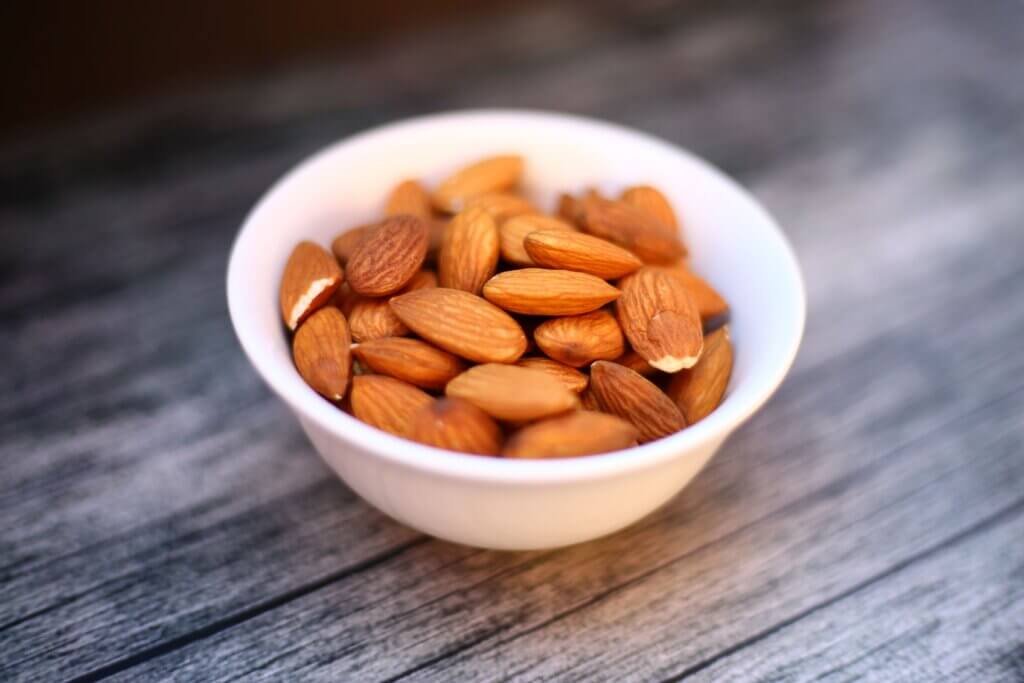
Almonds are probably the most loved dry fruit in South Asia. They have a mild, slightly sweet taste and a satisfying crunch, and they are a good source of vitamin E, fiber and protein.
- Key benefits: supports skin and hair, keeps you full for longer, and provides magnesium.
- How to eat: raw, soaked overnight and peeled, ground into milk, or added to sweets like halwa and badam milk.
Walnuts (Akhrot)
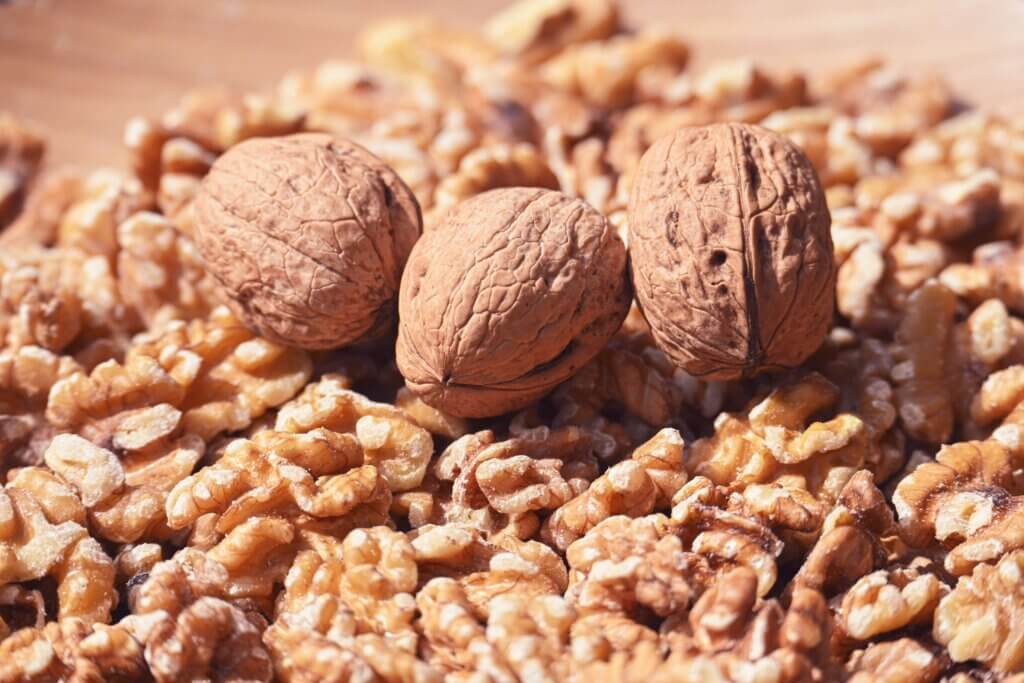
Walnuts are easy to spot because of their wrinkled, brain-like shape. They are one of the best plant sources of omega-3 fats (ALA), with a rich, slightly bitter taste.
- Key benefits: good for heart and brain health, and a source of antioxidants.
- How to eat: on their own, in salads, in cakes and brownies, or sprinkled over oatmeal.
Cashews (Kaju)
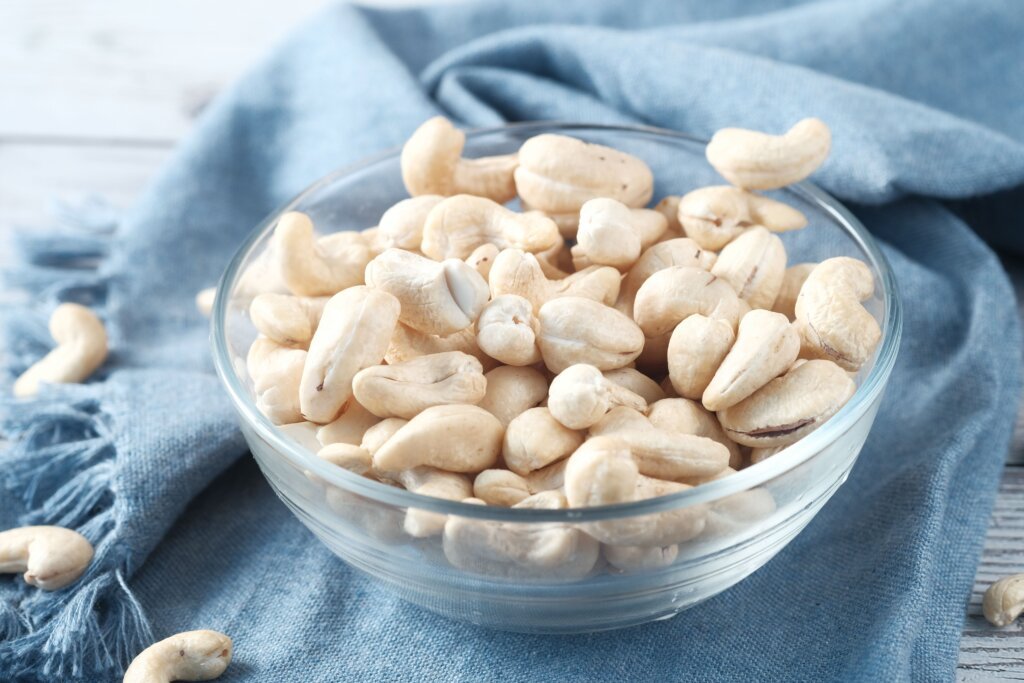
Cashews are soft, buttery and slightly sweet. They are a kitchen favorite because they blend into a creamy paste that thickens curries and gravies, and they are the star of kaju katli.
- Key benefits: provide copper, magnesium and zinc, and support energy and bone health.
- Good to know: they are higher in calories than some other nuts, so a small handful is enough.
Pistachios (Pista)
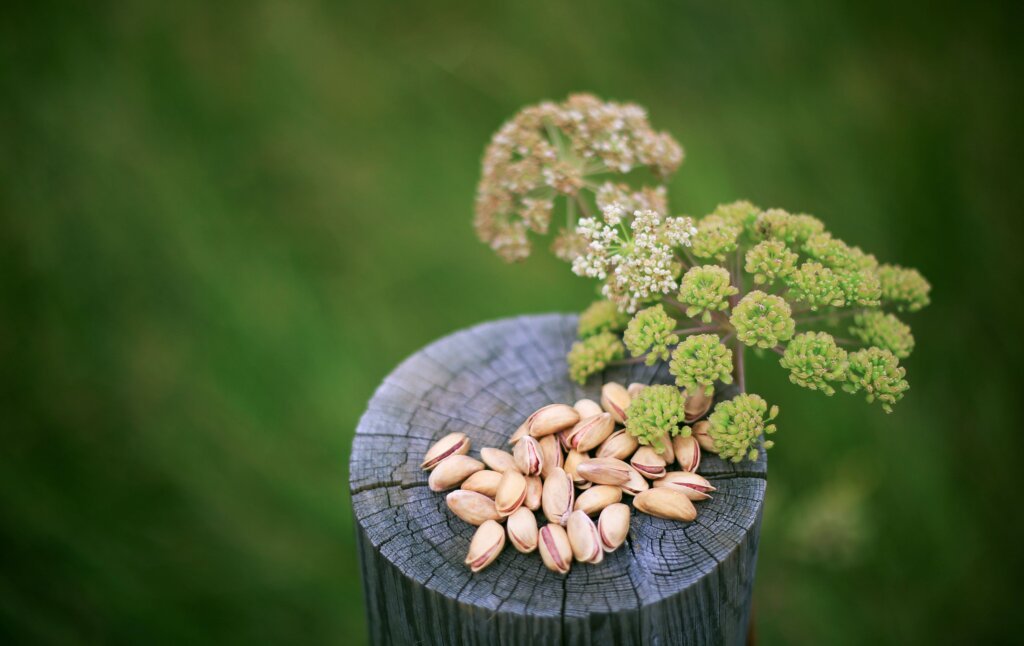
Pistachios are easy to recognize by their green kernels and split shells. They taste lightly sweet and savory at the same time, and cracking the shells slows you down, which helps with mindful snacking.
- Key benefits: a good source of protein, fiber and vitamin B6, and they help you feel full.
- How to eat: as a snack, in kulfi and ice cream, or chopped over desserts and biryani.
Hazelnuts (Funduq)
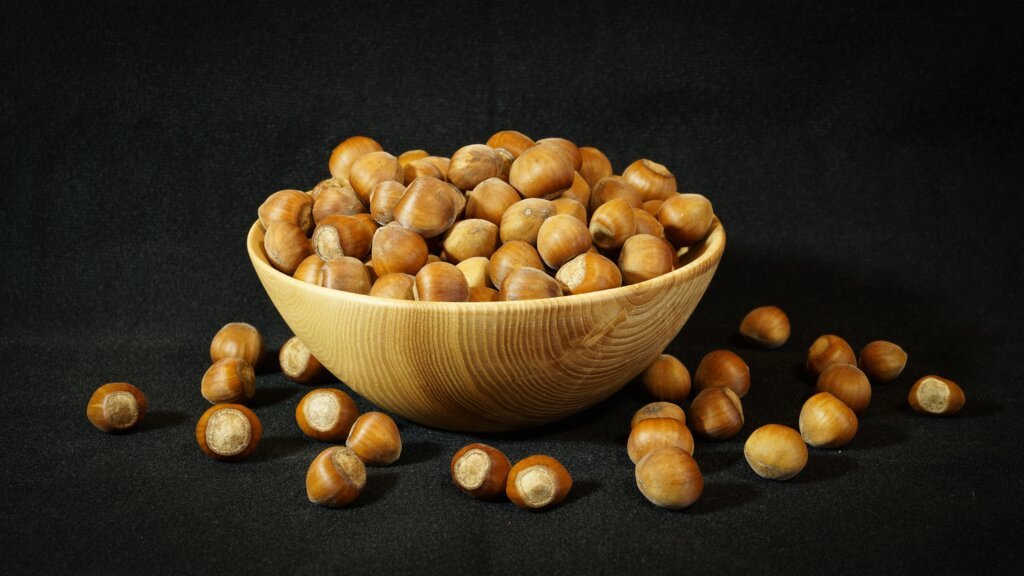
Hazelnuts are round, sweet and earthy, and they are best known from chocolate spreads. They are a source of vitamin E, manganese and healthy monounsaturated fats. You can eat them roasted, add them to baking, or blend them into nut butter.
Pine Nuts (Chilgoza)
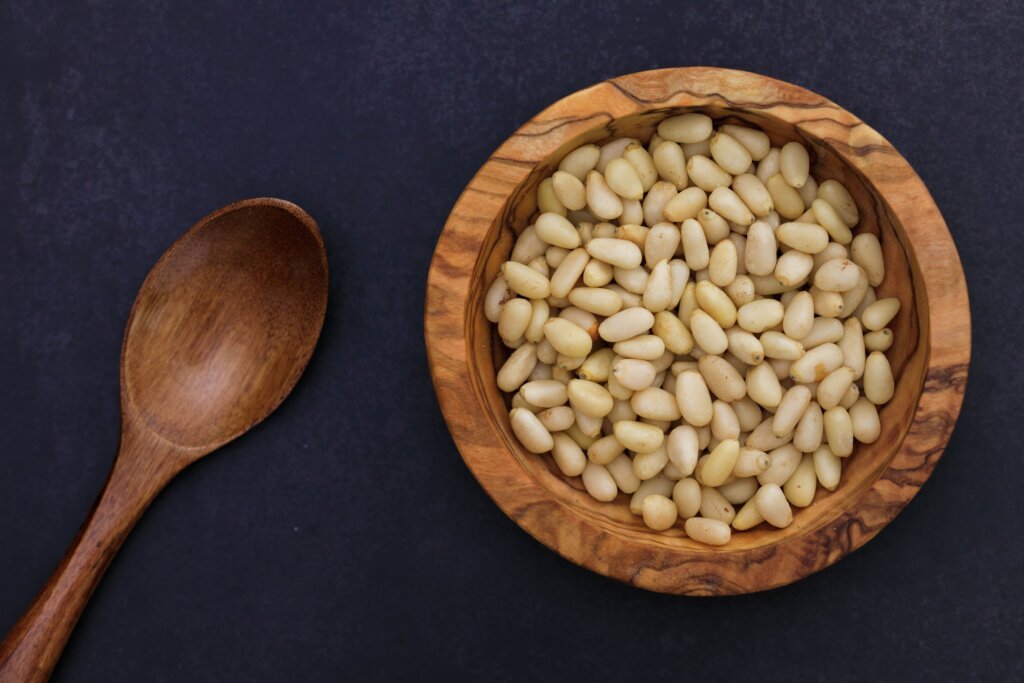
Chilgoza is the small, soft, creamy nut that people in Pakistan and northern India love to eat in winter. It is also among the pricier dry fruits, because harvesting the nuts from pine cones takes a lot of work. It offers healthy fats and magnesium, and tastes rich and slightly sweet.
Pecans, Brazil Nuts & Macadamia
These are less common in everyday South Asian kitchens, but you will find them more often in imported mixes and gift boxes.
- Pecans are buttery and rich in antioxidants, and great in desserts.
- Brazil nuts are an exceptional source of selenium. One or two a day is plenty, since too many can overload you with selenium.
- Macadamias are creamy and very rich, with a high amount of monounsaturated fat.
Peanuts (Moongphali): Nut or Legume?
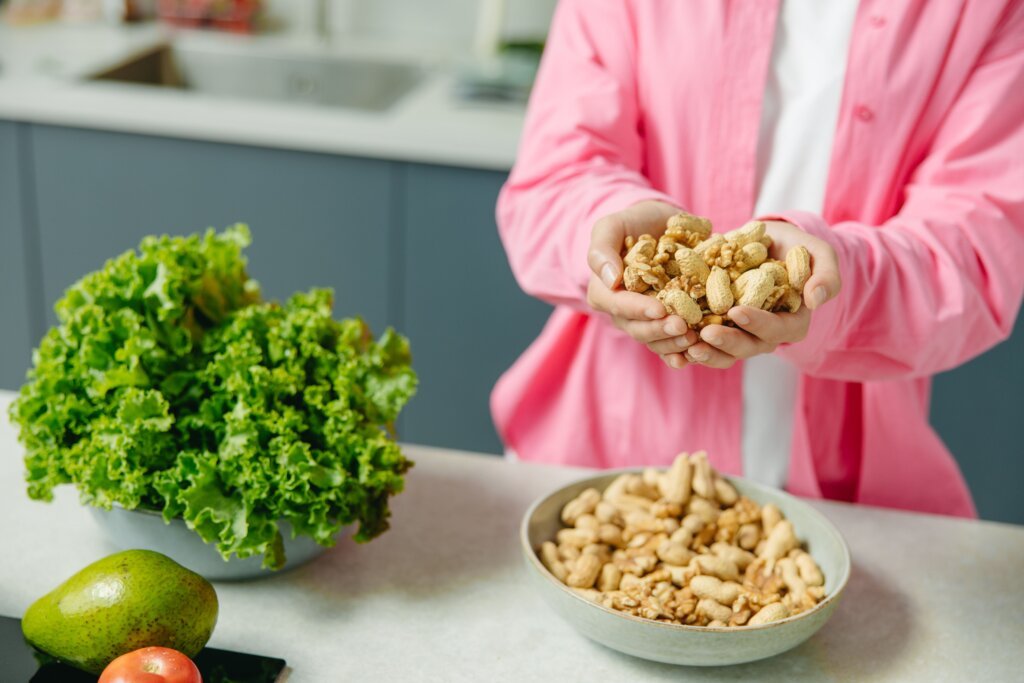
Technically, peanuts are legumes that grow underground, not true tree nuts. But they taste, look and get eaten like nuts, so they almost always sit with the dry fruits.
Peanuts are also one of the most affordable sources of plant protein, which makes them popular for snacking, chutneys and peanut butter. If you have a peanut allergy, remember that it is separate from tree nut allergies, and some people have both.
Next, let’s move on from nuts to the sweeter side of the shop: dried fruits.
Names of Dried Fruits (Sun-Dried or Dehydrated)
Dried fruits start out as fresh, juicy fruits. Once most of the water is removed, by sun-drying or dehydrating, they become smaller, chewier and much sweeter.
They are also more concentrated in calories, natural sugar and fiber, which is why a small portion goes a long way. Here are the ones you will find in almost every dry fruit shop.
Raisins (Kishmish / Munakka)
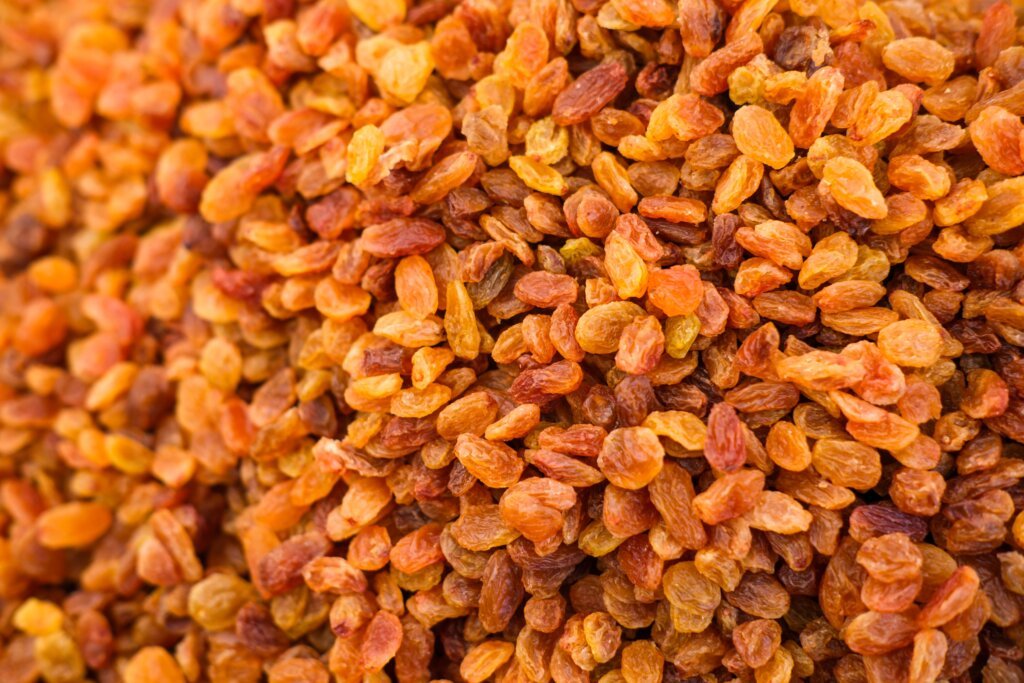
Raisins are simply dried grapes. Kishmish usually means the small, light golden or green raisins, while munakka is the larger, darker one, often with seeds. Munakka is traditionally soaked overnight and eaten in the morning.
- Key benefits: a source of quick natural energy, potassium and a little iron.
- How to eat: on their own, in kheer, pulao, cakes, cereal and trail mix.
Dates (Khajoor / Chuhara)
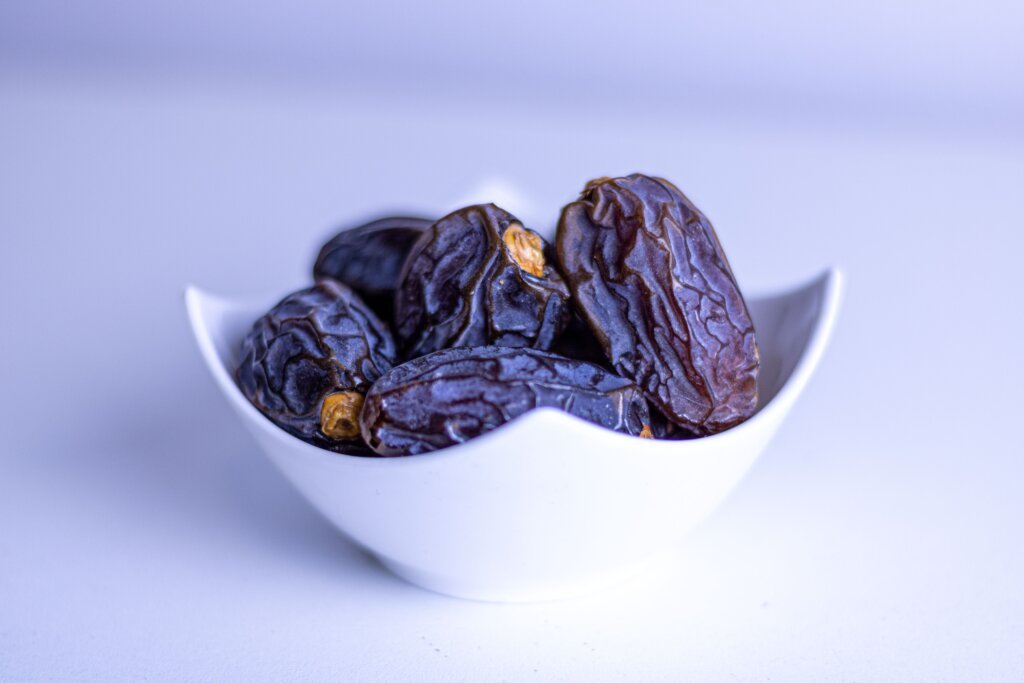
Dates are soft, sticky and naturally sweet, with a caramel-like taste. In Muslim households, they are the traditional food for opening a fast in Ramadan. Chuhara (also spelled chhuara) refers to the dried, firmer date, often used in winter and in sweets.
- Key benefits: high in fiber and potassium, and a great quick energy source.
- How to eat: plain, stuffed with almonds, blended into smoothies, or used as a natural sweetener.
Dried Figs (Anjeer)
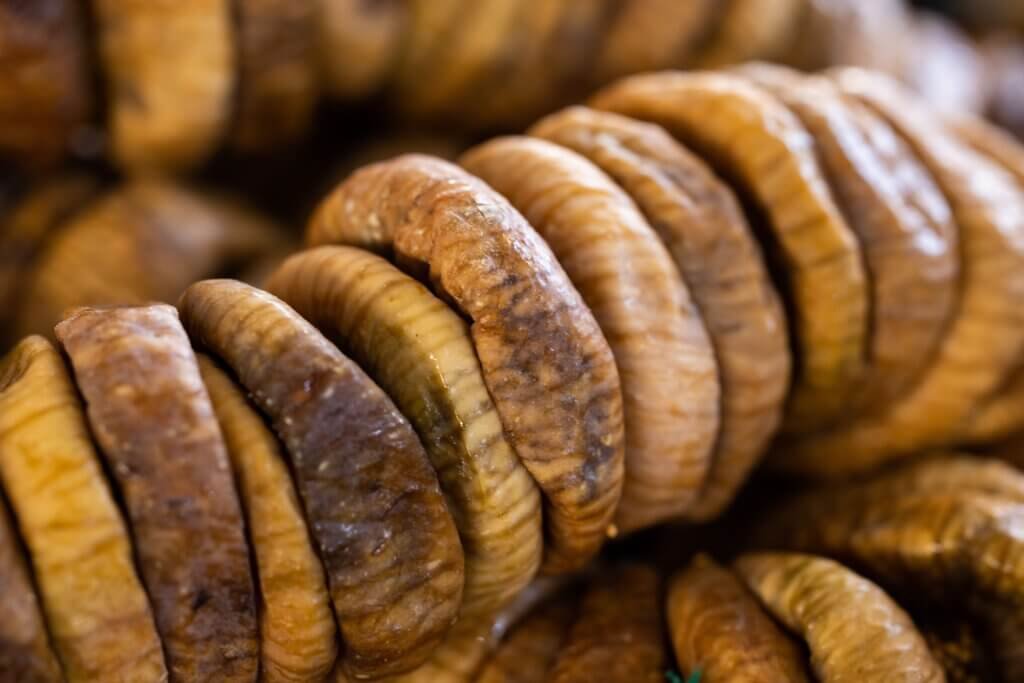
Dried figs are chewy and sweet, with tiny crunchy seeds inside. They are a good source of fiber, calcium and potassium. Many people soak 2 to 3 figs overnight and eat them in the morning, or add them to milk, oatmeal and desserts.
Dried Apricots (Khubani)
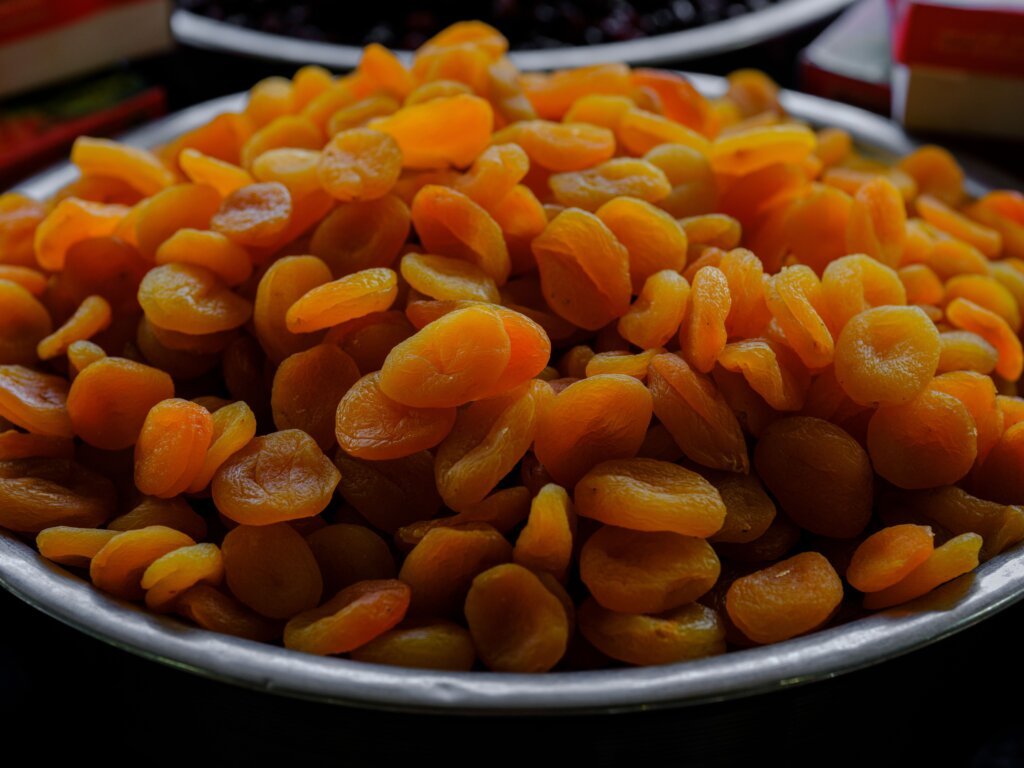
Khubani has a tangy-sweet flavor and an orange color, thanks to its beta-carotene (which the body turns into vitamin A). It also gives potassium and fiber.
Apricots from the northern areas of Pakistan are especially well known. Khubani is used in snacks, stewed desserts like khubani ka meetha, and rice dishes.
Shopping tip: bright orange apricots are often treated with sulfur dioxide. Unsulfured ones are darker brown, but many people prefer them.
Prunes (Aloo Bukhara)

Prunes are dried plums, with a deep dark color and a sweet-sour taste. They are best known for supporting digestion, because they contain fiber and a natural compound called sorbitol. They work well as a snack or in stews, chutneys and baking.
Dried Cranberries, Mango & Kiwi
These are the newer faces on the dry fruit shelf. They taste great, but many commercial versions contain added sugar, so check the label. Look for “no added sugar” versions when you can, especially for dried mango and cranberries.
Dried Coconut (Khopra)
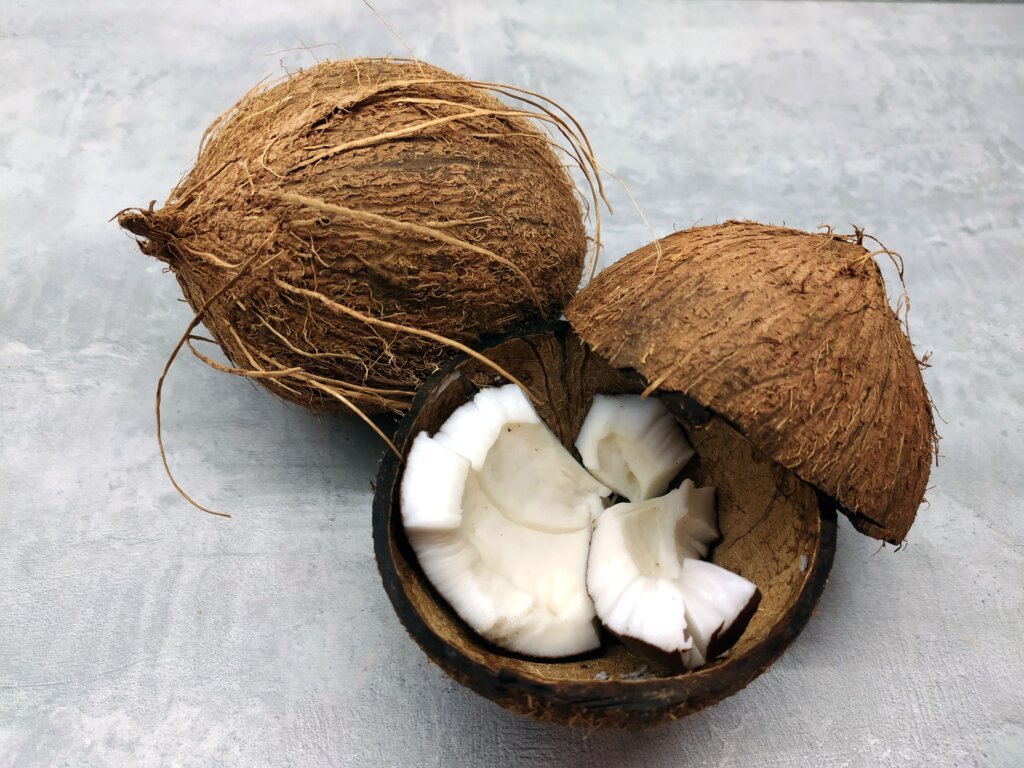
Khopra is dried coconut kernel. It is used in sweets, laddoos, chutneys and as a garnish, and it adds a rich, nutty flavor. It provides fiber and healthy fats, but it is calorie-dense, so use it in small amounts.
One thing to keep in mind with all dried fruits: they are easy to overeat because they are sweet and small. A modest portion is usually enough.
Up next are the edible seeds that often sit beside these in the shop.
Names of Edible Seeds Often Counted as Dry Fruits
Walk to the back of most dry fruit shops and you will find a few jars of seeds. They are not nuts and they are not dried fruits, but they are sold, stored and eaten in much the same way.
Many people count them in the dry fruits family, and they add useful nutrients, so they deserve a place in this list.
Makhana (Fox Nuts)
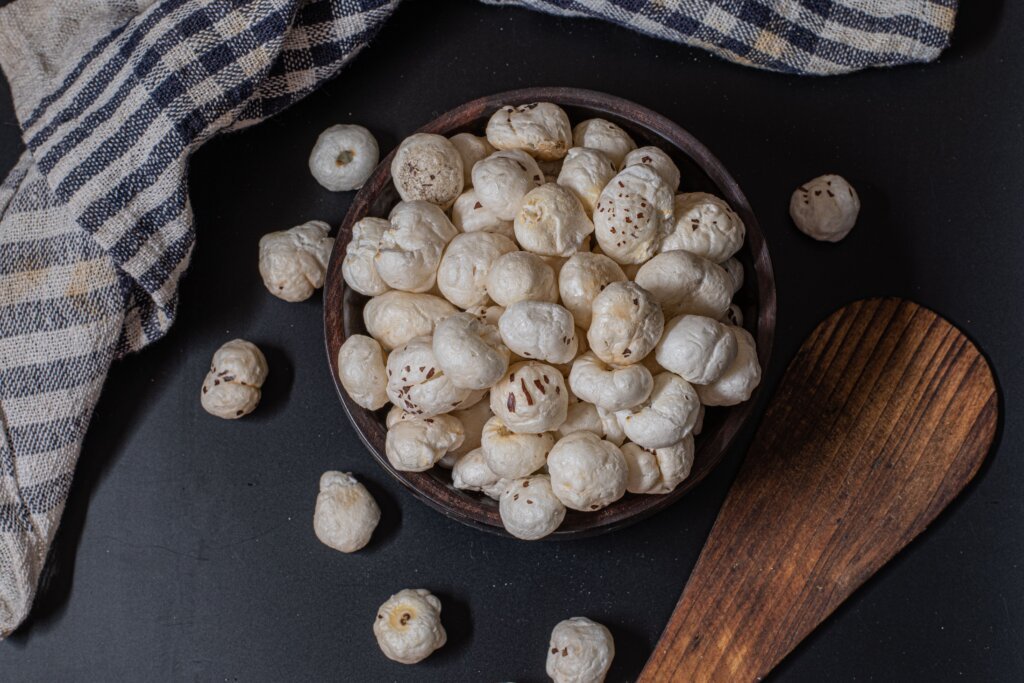
Makhana are the puffed seeds of the lotus plant. They are white, light and airy, with a mild taste that takes on whatever you season them with. They are very popular in India, where they are also eaten during fasts, and they are gaining fans in Pakistan too.
- Key benefits: low in calories and fat, with some protein, fiber and magnesium.
- How to eat: dry roast them with a little ghee or oil and a pinch of salt or pepper for a crunchy snack, or add them to kheer.
Pumpkin, Sunflower & Chia Seeds
These three are common in health food stores and are easy to add to everyday meals.
- Pumpkin seeds (kaddu ke beej) are green, flat and chewy. They are a good source of zinc and magnesium.
- Sunflower seeds (surajmukhi ke beej) have a mild, nutty taste and are rich in vitamin E.
- Chia seeds are tiny and absorb liquid to form a gel. They provide fiber and omega-3 fats, and work well in smoothies, puddings and overnight oats.
All three can be sprinkled over salads, yogurt and cereal, or mixed into homemade granola and trail mix.
Melon Seeds (Magaz)
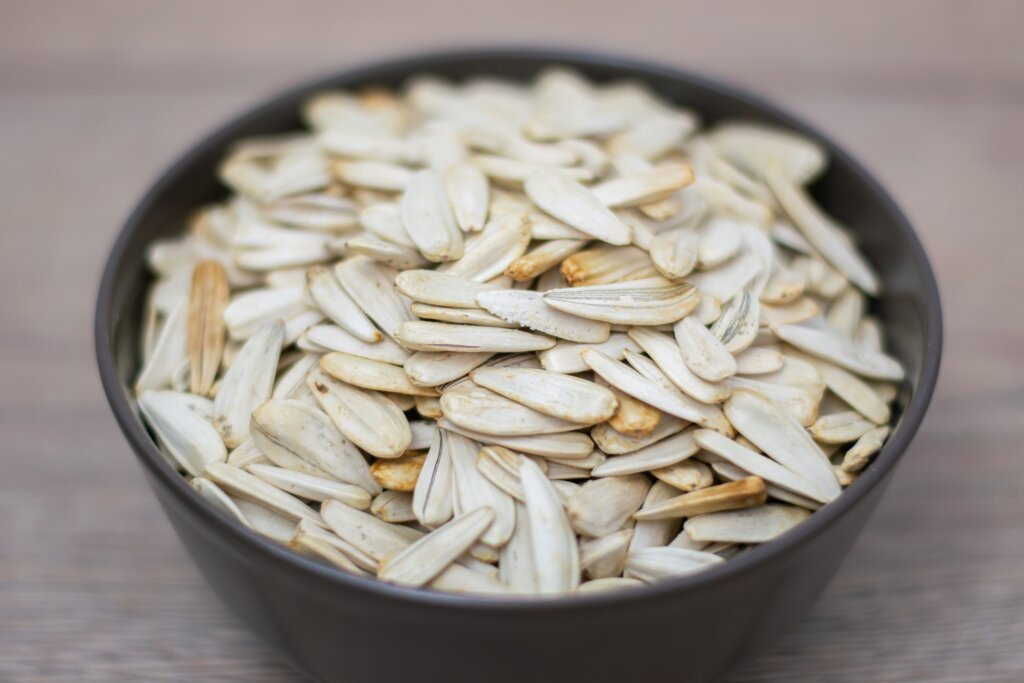
Magaz is the name for dried melon seeds, and char magaz (“four seeds”) is a mix of seeds from watermelon, muskmelon, cucumber and pumpkin.
They have a mild, creamy flavor and are mostly used for cooking rather than snacking. You will find them thickening gravies like korma, and in traditional sweets and cooling drinks such as thandai.
A small tip: because magaz is used in cooked dishes and drinks, you usually need to grind or soak it first.
With all the main types covered, the next section puts every name together in Urdu and Hindi.
Dry Fruits Names in Urdu and Hindi (Complete Table)
Many people search for dry fruits names in their own language, whether they are reading a recipe, giving a shopkeeper a list, or helping a child learn the words. Urdu and Hindi share most of these names, but the scripts are different, so here they are side by side.
Dry Fruits Names in Urdu with English Meaning
| Urdu (Roman) | Urdu | English |
| Badam | بادام | Almond |
| Akhrot | اخروٹ | Walnut |
| Kaju | کاجو | Cashew |
| Pista | پستہ | Pistachio |
| Funduq | فندق | Hazelnut |
| Chilgoza | چلغوزہ | Pine nut |
| Mungphali | مونگ پھلی | Peanut |
| Kishmish | کشمش | Raisin (small) |
| Munakka | منقیٰ | Raisin (large, dark) |
| Khajoor | کھجور | Date |
| Chuhara | چھوہارا | Dried date |
| Anjeer | انجیر | Fig |
| Khubani | خوبانی | Dried apricot |
| Aloo Bukhara | آلو بخارا | Prune / dried plum |
| Shahtoot | شہتوت | Dried mulberry |
| Khopra | کھوپرا | Dried coconut |
| Makhana | مکھانا | Fox nut |
| Magaz | مغز | Melon seeds |
| Kaddu ke beej | کدو کے بیج | Pumpkin seeds |
Dry Fruits Names in Hindi
| Hindi (Roman) | Hindi Script | English |
| Badam | बादाम | Almond |
| Akhrot | अखरोट | Walnut |
| Kaju | काजू | Cashew |
| Pista | पिस्ता | Pistachio |
| Chilgoza | चिलगोज़ा | Pine nut |
| Moongphali | मूंगफली | Peanut |
| Kishmish | किशमिश | Raisin (small) |
| Munakka | मुनक्का | Raisin (large, dark) |
| Khajoor | खजूर | Date |
| Chhuara | छुहारा | Dried date |
| Anjeer | अंजीर | Fig |
| Khubani | खुबानी | Dried apricot |
| Aloo Bukhara | आलू बुखारा | Prune / dried plum |
| Shahtoot | शहतूत | Dried mulberry |
| Khopra | खोपरा | Dried coconut |
| Makhana | मखाना | Fox nut |
| Magaz | मगज | Melon seeds |
| Kaddu ke beej | कद्दू के बीज | Pumpkin seeds |
A few notes that may help:
- Same word, different script. Most names are identical in Urdu and Hindi when spoken, which is why you can use either list in a shop in Pakistan or India.
- Spelling varies. You may see badam as badaam, kishmish as kismis, or anjeer as anjir. Roman spellings are not standardized.
- Hazelnut has no common everyday Hindi name. Most people simply say “hazelnut”, which is why it is missing from the Hindi table. In Urdu, funduq is the traditional word.
- Regional names exist too. In some areas the same dry fruit may go by a local name, so if a shopkeeper uses a different word, point at it or show the picture.
Now that you know what everything is called, let’s look at why these small foods are worth eating in the first place.
Health Benefits of Dry Fruits
Dry fruits are small, but they carry a lot: healthy fats, fiber, protein, vitamins and minerals in a form that keeps for months. Eaten in sensible portions as part of a balanced diet, they can support your health in several ways.
Here are the main ones, grouped by what people usually care about.
For Heart Health
Nuts such as almonds, walnuts and pistachios contain unsaturated fats, fiber and antioxidants. Walnuts also provide plant-based omega-3.
Studies have linked regular nut consumption, as part of a healthy diet, with better heart health markers, including cholesterol levels. Dates and raisins add potassium, a mineral that plays a role in healthy blood pressure.
For Brain and Memory
Walnuts (omega-3), almonds (vitamin E) and seeds like pumpkin seeds (zinc and magnesium) supply nutrients that the brain uses. That is why walnuts and almonds are such a traditional choice for students. To be clear, no dry fruit improves memory on its own or treats memory problems, but they make a smarter snack than chips or biscuits.
For Skin and Hair
Vitamin E, zinc, healthy fats and antioxidants all help the body look after skin and hair. Almonds, sunflower seeds, walnuts and pumpkin seeds are the best-known sources.
Good results come from eating them regularly alongside a varied diet and enough water, not from one handful alone.
For Energy and Weight Management
This one sounds like a contradiction, but it works both ways.
- For energy: dates, raisins and figs provide natural sugars and fiber, which makes them a quick, wholesome energy boost, whether before a workout or at the end of a fast.
- For weight management: nuts have protein, fiber and fat that help you feel full for longer, which can reduce cravings for less healthy snacks. The catch is portion size. Dry fruits are calorie-dense, so a small handful is enough.
For Bone and Digestive Health
Figs, almonds and dried apricots contain calcium, magnesium and potassium, minerals that matter for bones. The fiber in figs, prunes and dates supports regular digestion and gut health.
Many people find that soaking figs or munakka overnight makes them gentler on the stomach.
A quick reminder: these are general benefits, not cures. Dry fruits work best as one part of a balanced lifestyle.
To see how different dry fruits compare, the next section puts the numbers side by side.
Nutrition Comparison of Popular Dry Fruits
Dry fruits look similar in a bowl, but their nutrition is quite different. Nuts are higher in protein and healthy fats, while dried fruits are lighter in calories but richer in natural sugar. Here is a side-by-side look at the most popular ones.
Approximate values per 28 g (about one small handful), based on USDA data. Exact numbers vary by variety, brand and whether the item is roasted or salted.
| Dry Fruit | Calories | Protein | Fiber | Fat |
| Almonds | 164 | 6 g | 3.5 g | 14 g |
| Walnuts | 185 | 4.3 g | 1.9 g | 18.5 g |
| Cashews | 157 | 5.2 g | 0.9 g | 12 g |
| Pistachios | 159 | 5.7 g | 3 g | 13 g |
| Peanuts | 161 | 7.3 g | 2.4 g | 14 g |
| Raisins | 85 | 0.9 g | 1 g | 0.1 g |
| Dates | 78 | 0.7 g | 2 g | 0.1 g |
| Dried figs | 70 | 0.9 g | 2.9 g | 0.3 g |
| Dried apricots | 67 | 0.9 g | 2.2 g | 0.1 g |
A few things stand out from this table:
- Nuts are energy-dense. Most nuts land between 155 and 185 calories per handful, while dried fruits sit around 65 to 85.
- The fat in nuts is mostly the healthy kind. Walnuts are the highest in fat, but much of it is unsaturated, including omega-3.
- Dried fruits are low in fat but high in sugar. Their calories come mostly from natural sugar, which is why portions matter.
Which Dry Fruit Has the Most Protein?
Among the common options, peanuts lead with about 7 g per 28 g, followed by almonds (about 6 g) and pistachios (about 5.7 g). If you want a plant-based protein boost, these three are the best picks. Dried fruits contribute very little protein.
Which Dry Fruit Is Lowest in Calories?
By weight, dried apricots, figs and dates are the lightest options, all under 80 calories per 28 g. Makhana is also a good light choice, since it is airy and fills a bowl with fewer calories than most nuts.
Keep in mind that “low in calories” does not mean “eat as much as you like.” Dried fruits are easy to overeat, and their sugar adds up quickly.
Different people need different dry fruits, depending on their health goals, so the next section matches them to common needs.
Best Dry Fruits for Specific Needs
Not everyone needs the same thing from a handful of dry fruits. A student, a person managing diabetes, an expecting mother and a gym-goer will each look for something different. Here is a practical guide to matching dry fruits with common needs.
Best Dry Fruits for Weight Loss
Nuts may seem like an odd choice for weight loss because they are calorie-dense, but their protein, fiber and healthy fats keep you full and can curb snacking. The best options are:
- Almonds: crunchy, filling and easy to portion.
- Pistachios (in shell): cracking the shells slows you down, so you eat less.
- Walnuts: satisfying in small amounts.
Stick to a small handful (around 28 g) and avoid salted, sugar-coated or fried versions. Dried fruits like dates and raisins can fit in too, but only in tiny portions.
Best Dry Fruits for Diabetes
Unsalted almonds, walnuts and pistachios are generally the safer choices, because they are low in carbohydrates and do not spike blood sugar the way sweets do. Dried fruits such as dates, raisins and figs are concentrated sources of sugar, so they need strict portion control and are best eaten alongside protein or nuts rather than on their own.
Everyone’s blood sugar responds differently, so people with diabetes should check with their doctor or dietitian about which dry fruits and how much.
Best Dry Fruits for Pregnancy
Almonds, walnuts, dates and figs are commonly included in pregnancy diets for nutrients like folate, iron, magnesium and fiber. Dates are especially popular in the later months of pregnancy.
Quantities matter, and every pregnancy is different, so follow your doctor’s advice, particularly if you have gestational diabetes or any nut allergy. Expecting a little one soon? Once you have planned your diet, you may also enjoy our list of [modern Islamic Turkish baby girl names with Urdu meanings].
Best Dry Fruits for Kids
Dry fruits make nutritious additions to a child’s diet, but they need to be served safely.
- Chopped or ground nuts, raisins and chopped dates are good options.
- Whole nuts are a choking hazard for young children, generally under 4 to 5 years old. Offer them chopped, ground or as nut butter.
- Introduce nuts carefully and watch for allergic reactions, especially if allergies run in the family.
Best Dry Fruits in Winter
Winter is dry fruit season in South Asia. Chilgoza, walnuts, almonds, dates, figs and makhana are traditional choices because they are energy-dense and satisfying in cold weather. Many families make winter specials like panjiri, gajak, laddoos and dry fruit halwa, which are loaded with these.
Best Dry Fruits for Gym and Muscle Building
For active people, the best picks are:
- Peanuts and almonds: provide protein and healthy fats.
- Pistachios: a good protein and potassium source.
- Dates and raisins: quick energy before a workout.
Dry fruits help, but they cannot meet your protein needs alone. Combine them with eggs, dairy, lentils, chicken or other protein sources.
Now that you know what to pick, the next question is how much to eat.
How Many Dry Fruits Should You Eat Per Day?
Dry fruits are healthy, but they are also concentrated. A few extra handfuls a day can quietly add several hundred calories. The good news is that the right amount is small and easy to remember.
Daily Portion Guide by Age
For most healthy adults, a simple guideline is:
- Nuts: about 28 to 30 g per day, which is roughly a small handful (around 20 to 23 almonds, or 7 to 8 walnut halves).
- Dried fruits: a small portion on top of that, such as 2 to 3 dates, 1 to 2 figs, or 1 to 2 tablespoons of raisins.
| Group | Suggested Daily Amount (general guide) |
| Adults | 28 to 30 g nuts + a small portion of dried fruit |
| Teenagers | Slightly smaller than adults, based on appetite and activity |
| Children (over 4 to 5 years) | A small amount, around 10 to 15 g of chopped or ground nuts, plus 1 to 2 dates or a spoonful of raisins |
| Young children (under 4 to 5 years) | Only finely chopped, ground or in nut butter, never whole nuts |
These are general ranges, not strict rules. Your ideal amount depends on your age, activity level, health conditions and the rest of your diet. If you have diabetes, kidney problems, allergies or are pregnant, ask your doctor or dietitian what suits you.
Variety beats quantity. Instead of eating only almonds every day, rotate between almonds, walnuts, pistachios and a dried fruit or two. Each one offers a different mix of nutrients.
Soaked vs Raw: Which Is Better?
You will hear strong opinions on this, especially about almonds. Here is the honest picture:
- Soaking (usually overnight) softens almonds, raisins, figs and dates, which makes them easier to chew, and many people find them easier to digest. Soaked almonds are also easy to peel, and some people prefer their milder taste.
- Raw almonds are crunchier and just as nutritious. Soaking does not turn a dry fruit into something dramatically healthier, and the nutrient differences are small.
So the real answer is: choose whichever you enjoy and digest comfortably. Soaking works well for almonds, munakka and anjeer. Walnuts, pistachios, cashews and peanuts are perfectly fine eaten as they are.
If you soak dry fruits, use clean water, and eat or refrigerate them the next day rather than leaving them out for long.
Even in the right portions, dry fruits are not right for everyone, so the next section covers the precautions you should know about.
Side Effects and Precautions
Dry fruits are safe and nutritious for most people, but “healthy” does not mean “right for everyone, in any amount.” Here are the main things to watch for.
Nut Allergies
Tree nut and peanut allergies are among the more common food allergies, and reactions can be serious, [Learn more about nut allergy symptoms and safety] from FARE, sometimes life-threatening. Symptoms can include itching or swelling of the lips and mouth, hives, stomach pain, vomiting, wheezing or trouble breathing.
- A peanut allergy is separate from a tree nut allergy (almonds, walnuts, cashews, pistachios), though some people have both.
- Some people react to only one or two nuts, while others react to many.
- If you or your child has ever had a reaction, avoid the nut in question and see a doctor or allergist. Trouble breathing or swelling of the face or throat is an emergency and needs immediate medical help.
Also check labels on packaged mixes, sweets and baked goods, since traces of nuts can hide in unexpected places.
Overeating and Weight Gain
Dry fruits are calorie-dense, and they are easy to eat mindlessly. A couple of extra handfuls every day can add up to a few hundred extra calories, enough to cause gradual weight gain over time.
Eating too much can also upset the stomach:
- Figs, prunes and dates are high in fiber and sorbitol, and in large amounts they can cause gas, bloating or loose motions.
- Brazil nuts are very high in selenium, so one or two a day is enough.
- Salted, roasted or sugar-coated versions add extra sodium or sugar that cancel out some of the benefits.
Who Should Limit Dry Fruits?
Some people need to be more careful or get personal advice first:
- People with diabetes: dried fruits such as dates, raisins and figs are concentrated in sugar and need strict portion control.
- People with kidney problems: many dry fruits are high in potassium and phosphorus, which may need to be limited on some kidney diets.
- People with sensitive digestion or IBS: high-fiber dried fruits can trigger symptoms.
- Young children: whole nuts are a choking hazard, so serve them chopped or ground.
- People watching their weight or blood pressure: choose unsalted, unsweetened options and keep portions small.
If you have any medical condition, are pregnant, or take regular medication, check with your doctor or dietitian before making dry fruits a big part of your daily diet.
None of this means you should avoid dry fruits. It simply means choosing the right type, in the right amount, from a good source, which is what the next section helps with.
How to Buy and Store Dry Fruits
Good dry fruits taste fresh, crunchy or chewy, and last for months. Poor-quality or badly stored ones taste stale, bitter or musty, and can even make you feel unwell. A little care when buying and storing makes a big difference, especially because dry fruits are not cheap.
How to Identify Fresh and Good-Quality Dry Fruits
Use your eyes, nose and fingers before you pay.
- Check the look. Good dry fruits have an even color, a plump shape and a clean surface. Avoid pieces that are shriveled, discolored, cracked, or have dark spots or white powdery patches that could be mold.
- Smell them. Fresh nuts smell mild and slightly sweet. A sharp, bitter, soapy or paint-like smell means the natural oils have gone rancid.
- Taste one if you can. A stale or bitter nut is a sign the whole batch is old.
- Feel the texture. Raisins, figs and dates should be soft and slightly sticky, not rock hard or leaking sugary syrup.
- Check for insects or webbing. Tiny holes, dust or fine threads in the packet are signs of pests.
- Go for plain, unsalted and unsweetened options when possible, so you control what goes in.
- Buy from busy shops where stock sells quickly, and check the packing and expiry date on sealed packs.
Watch out for shiny dried fruits. Unnaturally glossy raisins, figs or dates may have been coated with oil or treated with preservatives. A slightly dull, natural look is usually a better sign. Rinsing dried fruits before eating is a good habit.
Buy smaller quantities more often. Unless you eat a lot, a one-month supply is better than a year’s stock, because nuts lose freshness with time.
Best Way to Store Dry Fruits (Shelf Life Table)
Heat, light, air and moisture are the enemies of dry fruits. Store them in airtight containers (glass jars or sealed boxes) in a cool, dark, dry place. In hot weather, the fridge or freezer is a better home, especially for nuts, which are rich in oils that spoil quickly.
| Dry Fruit | Pantry (cool, dry) | Fridge | Freezer |
| Almonds, cashews, pistachios | 3 to 6 months | Up to 1 year | Up to 2 years |
| Walnuts, pine nuts | 1 to 3 months | About 6 months | 1 year or more |
| Raisins, dates, figs, apricots | 6 to 12 months | Up to 1 year | Longer |
These are approximate ranges. Always trust your nose and taste as the final check.
A few extra tips:
- Keep them away from the stove and sunlight. A kitchen shelf next to the cooker is one of the worst spots.
- Use clean, dry spoons. Moisture and wet hands invite mold.
- Let chilled or frozen dry fruits come to room temperature before opening the jar, so condensation does not form inside.
- Don’t mix old and new stock in the same container.
- Throw away anything that smells rancid, looks moldy or tastes off. It is not worth the risk.
With the basics of buying and storing covered, the next section is the fun part: ways to actually eat them.
Easy Ways to Add Dry Fruits to Your Diet
Knowing the names and benefits is one thing, but actually eating dry fruits regularly is another. The easiest way to make it a habit is to attach them to meals and snacks you already have. Here are some simple ideas, from quick breakfasts to traditional sweets.
Breakfast Ideas
- Soak and eat. Soak 4 to 5 almonds, a couple of figs or a spoonful of munakka overnight, and eat them first thing in the morning.
- Top your bowl. Sprinkle chopped almonds, walnuts and raisins over oatmeal, porridge, cereal or yogurt.
- Blend them in. Add 2 dates to a banana or milk smoothie instead of sugar. Dates also blend well with oats and nut butter.
- Stuff your paratha or roti. A small spoonful of finely chopped nuts and dates makes a filling, energy-rich breakfast.
- Make a quick nut butter toast. Spread peanut or almond butter on whole wheat bread, and top with sliced dates or raisins.
Snacks and Trail Mix
Dry fruits make an easy swap for chips, biscuits and fried snacks.
- Homemade trail mix. Combine almonds, pistachios, walnuts, raisins and a few cashews in a jar. Keep it at your desk, in your bag or in the car for when hunger strikes.
- Roasted makhana. Dry roast makhana with a pinch of salt, black pepper or chaat masala for a light, crunchy snack.
- Stuffed dates. Remove the seed from a date and fill it with an almond or walnut piece. It tastes like a treat and takes seconds.
- Energy bites. Blend dates with nuts and a little cocoa or coconut, roll into small balls, and chill. They are a good pre-workout snack.
- Fruit and nut pairing. Eating a few nuts with an apple or a pear helps you feel full for longer.
Desserts and Traditional Recipes
Dry fruits have been part of South Asian cooking for generations, and these classics are a lovely way to enjoy them.
- Kheer and sheer khurma: milk-based desserts filled with almonds, pistachios, raisins and dates.
- Halwa: suji, carrot or badam halwa topped with chopped nuts.
- Laddoos and panjiri: winter favorites made with nuts, seeds, edible gum and ghee.
- Kaju katli: the cashew sweet loved at Eid and Diwali.
- Thandai: a cooling drink made with almonds, melon seeds, fennel and spices.
- Dry fruit halwa or gajak: rich winter sweets, best enjoyed in small portions.
Traditional sweets are delicious, but they often contain a lot of sugar and ghee, so enjoy them as a treat rather than as your daily dry fruit habit.
A simple rule to start with: pick one or two of these ideas and stick with them for a week. It is easier to build a habit with a small, realistic routine than with a long list of things to remember.
You now have everything you need. The last section answers the questions people ask most often.
Frequently Asked Questions (FAQs)
What are 10 dry fruits?
Ten common dry fruits are almonds (badam), walnuts (akhrot), cashews (kaju), pistachios (pista), raisins (kishmish), dates (khajoor), dried figs (anjeer), dried apricots (khubani), prunes (aloo bukhara) and pine nuts (chilgoza). Peanuts, makhana and dried coconut are also popular. The full list with Urdu and Hindi names is at the top of this guide.
What are the 10 most nutritious dry fruits?
Almonds, walnuts, pistachios, cashews, peanuts, dates, figs, dried apricots, raisins and prunes are among the most nutritious. Nuts offer protein, healthy fats and fiber, while dried fruits provide fiber, potassium and natural energy. No single one is best, so a varied mix in small daily portions works well.
Which dry fruits are best for weight gain?
The best dry fruits for weight gain are calorie-dense ones: walnuts, almonds, cashews, peanuts, pistachios, dates, raisins and figs. Nuts add healthy fats and protein, while dates and raisins add natural sugar and calories. Eat a handful daily, or blend them into milk shakes and oatmeal, for steady, healthy gain.
Which dry fruit is highest in protein?
Among common nuts and dried fruits, peanuts are highest in protein, with about 7 g per 28 g handful, followed by almonds (about 6 g) and pistachios (about 5.7 g). Pumpkin seeds are slightly higher still. Dried fruits like raisins, dates and figs contain very little protein, so they are better for energy and fiber.
Which dry fruit is tasty?
Taste is personal, but the most popular are dates, cashews, pistachios, almonds and raisins. Dates and raisins are naturally sweet, cashews are soft and buttery, and almonds and pistachios have a mild, slightly savory sweetness. For a first try, roasted almonds with a few dates make a tasty, easy combination.
Are peanuts dry fruits?
Botanically, peanuts are legumes that grow underground, not tree nuts. But they are sold, eaten and cooked like nuts, so most people count them as dry fruits. If you have a peanut allergy, note that it is separate from a tree nut allergy.
Conclusion
Dry fruits are one of the simplest healthy habits you can build. Now you know the main dry fruits names in English, Urdu and Hindi, how nuts differ from dried fruits and seeds, what each one offers, and how to buy, store and enjoy them.
Whether you prefer badam, akhrot, kaju, pista, khajoor or anjeer, the key is balance: a small daily portion, a bit of variety, and plain, good-quality options over salted or sugar-coated ones. If you have allergies, diabetes, kidney issues or are pregnant, check with your doctor first.
Disclaimer: This article is for general information only and is not medical advice. Please consult a doctor or registered dietitian for personal guidance.

Hi, I am the lead editor and content creator at Scivora Hub. I love exploring the history, deep origins, and cultural meanings of baby names from all around the world. My goal is to help modern parents find the most beautiful, meaningful, and unique names for their children with accurate translations and pronunciation guides.”